

Beginner's Guide to Crabbing in British Columbia
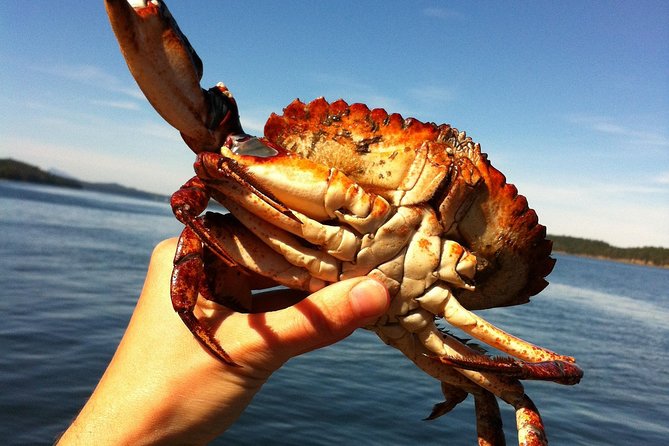
You can feel it before you see it—the trap line twitches, sunlight dances off the Fraser, and a grin spreads across your face because a keeper Dungeness is hitching a ride to the surface. I’ve chased that feeling since a young age, and it’s still what gets me out on the water before dawn. Here at Pacific Net & Twine, we’ve spent decades helping coastal families gear up for days like this—proof that great crabbing is less about fancy tech and more about simple tools, good company, and respect for the tide that feeds us.
Why Crabbing in B.C. Is Special
British Columbia's coastline cradles some of the richest Dungeness crab habitat in the world. Our cold, pristine waters produce sweet, meaty crabs that locals have treasured for generations. Whether you're launching from Steveston's historic docks or dropping pots from a skiff along the Gulf Islands, crabbing connects you to a coastal tradition as authentically B.C. as cedar and salmon.
Unlike complicated fishing techniques that take years to master, crabbing welcomes beginners with open arms. With just a few pieces of gear and some local know-how, you'll be bringing home these delicious crustaceans on your very first outing.
Since 1973, we've helped thousands of families and many businesses start their crabbing adventures at Pacific Net & Twine. We've watched youngsters catch their first keepers and return years later with children of their own. There's something magical about teaching someone to harvest from the sea—it's a tradition we're passionate about continuing.
Know the Rules before You Rig
The most successful crabbers aren't just lucky—they're prepared. Before you set your first trap, you need to understand the regulations that protect our crab populations. Here's what you absolutely need to know:
Licensing Requirements
-
Tidal Waters Sport Fishing License – Every person crabbing needs their own valid license, which you can purchase online.
-
License on Person – Carry your physical license or digital version whenever you're crabbing—conservation officers regularly check popular areas.
-
Annual vs. Day Pass – If you'll go more than 3-4 times annually, the annual license ($84.60 for residents) is your best value.
Catch Limits & Restrictions
-
Daily Limit – 4 Dungeness crabs per day per license holder (may vary on area)
-
Males Only – Only male crabs may be kept. Females must be released to maintain the breeding population.
-
Size Minimum – Legal Dungeness must measure at least 165 mm (6.5 inches) across the widest part of the shell.
-
No Soft-Shell – Recently moulted "soft-shell" crabs must be released even if they meet size requirements.
For the most current regulations, always check the DFO recreational crab page and review the latest 2025-26 crab IFMP notice before heading out.
Crabbing is also about protecting yourself and understanding safe shellfish practices. Make sure to read and understand these safety tips before heading out for crabbing.
Gear Checklist from Pacific Net & Twine
After 40+ years outfitting B.C. crabbers, we've refined our recommendations to help beginners succeed from day one. Here's what you'll need:
Crab Traps
-
Sealtek 30″ Stainless-Steel Pot – A worthy option for serious crabbers. Welded stainless wire resists saltwater corrosion, and the factory-installed zinc anode slows down electrolysis so the trap lasts season after season. At 30 inches, it offers plenty of interior room for Dungeness limits, yet the pot comes pre-rigged with escape rings so undersized crabs and female rock crabs can slip out, helping you avoid fines while keeping the fishery healthy.
-
KUFA S60 Vinyl-Coated Folding Trap – Ideal for weekend warriors or anyone with limited storage. The square metal frame collapses flat in seconds, and the thick vinyl coating keeps rust at bay while being gentler on crab shells. Because it’s lighter than a full stainless pot, you can deploy it from a kayak or small skiff without a pot puller, but the two tunnel entrances and built-in bait cage still fish efficiently in moderate current.
Ropes & Floats
-
North Pacific Leaded Crab Rope 5/16" Danline – This line has a lead core that sinks fast, keeping slack off the surface and reducing the risk of other boats snagging your gear—handy when you’re dropping pots from a bigger vessel or in busy channels.
-
North Pacific Crab Float 7" × 16" – The classic high-buoyancy bullet buoy. Its bright shell is easy to spot in chop, and the large size keeps heavy stainless pots from dragging the float under on spring tides. Remember to label it with your name and phone number as the regs require.
-
North Pacific Crab Float 5" × 11" (white or yellow) – A mid-size option that’s perfect for sheltered bays, kayaks, or lighter collapsible traps. The yellow version is especially visible at dawn or on foggy mornings. Mark it up before your first set. Pacific Net & Twine Ltd
-
NY20H Crab Slider Float – A palm-sized slider that rides the down-line and “pops” to the surface when you start pulling, making dock or pier retrieval simple. Great as an inexpensive spare or for kids learning the ropes.
Bait & Bait Cages
-
Stainless bait cages – These secure your bait inside the trap while allowing scent to disperse.
-
Bait options – Fresh salmon heads, chicken, turkey necks, or our house-made crab attractant pellets all work wonderfully.
Measuring Tools & Handling
-
Shellfish measuring gauge – This calliper-style tool ensures you're keeping only legal-sized crabs.
-
Crab gloves – Protect your hands from pinches and sharp shell edges.
-
Cooler with ice – Essential for keeping your catch fresh on the journey home.
Best Beginner Locations
When you're just starting out, accessibility and moderate depth are your friends. Here are our staff's top recommendations for Southern first-timers:
Steveston Pier (Richmond)
Just a stone's throw from our Richmond store, this historic fishing village offers both the Gulf Cannery Pier and the Public Sales Float. The tidal window is generous, depths are moderate (20-50 feet), and you'll find plenty of fellow crabbers willing to share tips.
Belcarra Regional Park (Port Moody)
The dock at Belcarra offers fantastic crabbing without a boat. The rocky bottom and eelgrass meadows nearby create prime Dungeness habitat. Bonus: stunning mountain views while you wait for your catch.
Cates Park (North Vancouver)
A local favourite with easy parking and a relaxed atmosphere. The adjacent eelgrass beds attract plenty of crabs, and the sandy bottom makes for clean traps when retrieving.
Departure Bay (Nanaimo, Vancouver Island)
If you're island-bound, this accessible spot offers productive crabbing with the convenience of nearby amenities. The ferry terminal provides an interesting backdrop as you pull up your catch.
Remember that a falling or low tide often produces the best results, as crabs tend to move into shallower water to feed when the tide is out.
Step-by-Step: Setting Your First Pot
Now for the exciting part—getting your gear in the water! Follow these steps for the best chance at success:
Preparing Your Trap
-
Bait preparation – If using fish heads or chicken, score the flesh to release more scent underwater. For maximum effectiveness, let chicken or turkey sit in the sun for 2-3 hours before use (the stronger the smell, the better).
-
Secure your bait – Place bait in the cage and secure it closed. Position it in the center of your trap, away from the entrance tunnels.
-
Ready your line – Attach your rope securely to the trap's bridle. Coil the line neatly to prevent tangling during deployment.
-
Mark your float – Use a permanent marker to write your name and phone number on your buoy (required by DFO regulations).
Finding Your Spot
-
Depth matters – Aim for 20-60 feet of water for best results. Use landmarks to remember productive locations.
-
Look for structure – Crabs love the edges where the sandy bottom meets eelgrass or rocky areas.
-
Respect others' space – Place your traps at least 50 feet from others already fishing.
Deployment & Retrieval
-
Easy does it – Lower your trap gently rather than throwing it to prevent tangling or scaring away crabs.
-
Soak time – Generally, the longer you can wait the better your results and a 16-24hr soak time is common in some areas. Some specific areas and harbours ban crabbing at night so check local regulations. All traps must be marked and meet DFO regulations.
-
Smooth retrieval – Pull steadily and evenly to keep your trap level and prevent crabs from escaping.
Reading the Tides
Timing your crabbing with the tides can dramatically improve your success:
-
Slack tide – The period around high or low tide when water movement is minimal is often most productive.
-
Incoming tide – Many experienced crabbers prefer the last 2 hours of the incoming tide.
-
Check the charts – Apps like Tides Near Me or Fisheries and Oceans Canada provide accurate local tide information. Another useful app to have handy is the official Fishing BC app, which lets you hold and display your fishing license, gives up-to-date official regulations, shows your official catch log recording, and ID species.
Remember the golden rule of tide charts: "When the tide is rising, crabs are grazing."
Ethical Handling & Quick-Clean Cook-Up
Proper handling ensures both humane treatment of your catch and the best-tasting crab dinner possible.
Sorting Your Catch
-
Identify first – Learn to quickly identify Dungeness vs. Red Rock crabs, and males vs. females (females have a wider, more rounded abdomen flap).
-
Measure accurately – Use your calliper to measure across the widest part of the shell, not including spines.
-
Release carefully – Return undersized, female, and soft-shell crabs gently to the water, avoiding drops that could injure them.
Humane Dispatch & Transport
-
Quick method – The most humane method is quick chilling. Bring a cooler with plenty of ice.
-
Avoid freshwater – Never put live crabs in freshwater as this causes a slow, stressful death.
-
Keep carapace on – Leave crabs whole until you're ready to cook. This preserves flavour and ensures freshness.
Simple Boiling Recipe
Once home with your catch, try this foolproof cooking method that brings out the sweet flavour Dungeness crabs are famous for:
-
Fill a large pot with enough water to completely submerge your crabs. Add 1/4 cup salt per gallon of water.
-
Bring water to a rolling boil.
-
Hold the crab from behind, facing away from you, and place it head-first into the boiling water.
-
Cover pot and return to boil. Cook for 15 minutes for the first crab, plus 2-3 minutes for each additional crab.
-
Remove and immediately place in an ice bath to stop cooking and make handling easier.
-
To clean: pull off the back shell, remove gills and viscera, and rinse quickly under cold water.
-
Crack and enjoy with melted butter and lemon, or chill for crab salad tomorrow!
Common Mistakes & How to Avoid Them
Even experienced crabbers occasionally come home empty-handed. Here are the pitfalls we see most often and how to avoid them:
Using Old Bait
Fresh, pungent bait is crucial. If you've been soaking the same chicken neck for three trips, it's time for a change. We recommend refreshing your bait every outing for best results.
Incorrect Depth
Too shallow, and you'll find fewer legal-sized males. Too deep, and you're working harder than necessary. The sweet spot is typically 30-60 feet—ask our staff about recent reports for your chosen location.
Impatience
The number one reason for empty traps is checking too soon. Allow at least 45 minutes between checks, and on slower days, extend to 2-3 hours if possible. Patience is a virtue when it comes to crabbing and longer soaks are almost always better.
Poor Trap Placement
Setting traps in heavily trafficked areas or spots with poor habitat (like mud or silt bottoms) reduces your chances. Look for sandy areas near the structure or vegetation.
Tangled Line
Neatly coiled rope prevents the frustration of tangles that can waste your precious crabbing time. Our pre-measured lines with proper attachments eliminate this common headache.
Ready for Your Crabbing Adventure?
For over four decades, Pacific Net & Twine has equipped B.C. crabbers with quality gear, expert advice, and the local knowledge that turns beginners into successful harvesters. Our staff members are active crabbers themselves—when you visit, ask for their latest reports and location tips!
Frequently Asked Questions About Crabbing in BC:
Can I go crabbing year-round in B.C.?
Yes, recreational crabbing is permitted year-round in most areas, though some zones have seasonal closures. Summer and early fall generally offer the best combination of weather and crab quality. Always check for area-specific closures on the DFO website.
Do I need a boat to catch crabs?
Not at all! Many of our customers catch excellent numbers from public docks, piers, and shore access points. Dock crabbing is perfect for beginners and families with young children.
What's the best time of day for crabbing?
While crabs can be caught throughout the day, many locals prefer early morning or evening on an incoming tide. The changing light conditions seem to trigger feeding activity.
How can I tell if a crab is "soft-shell"?
Press gently on the shell—if it gives even slightly or feels leathery instead of hard, it's a soft-shell that must be released. Another test: flex the first walking leg at a joint—if it bends easily, release the crab.
What's the best bait for Dungeness crab?
This sparks debates among crabbers, but our top-sellers are salmon heads, turkey necks, and chicken legs. Pro tip: Aging poultry slightly (while keeping it food-safe) increases its attractiveness to crabs.
Can I set my traps overnight?
No, recreational crab traps must be attended and cannot legally be left overnight. All gear must be removed from the water 30 minutes after sunset until 30 minutes before sunrise.


